


What is an NDIS plan, really? It’s designed to support your goals… But for some, it feels more like a bunch of documents with a confusing budget. When you’re caught…

When you receive services under the NDIS, your provider should be supporting you to live the life you choose, not making decisions for you or prioritising their own interests. Unfortunately,…
If you’re new to the NDIS or navigating it for someone you care for, you might have come across two roles: Support Coordinators and Local Area Coordinators (LACs). These professionals…

Your support workers are the faces you see daily. The people you invite into your life and into your home. They are your biggest cheerleaders in supporting you to achieve…

When we think of world-changing inventors, leaders, artists, and thinkers, we paint a picture of greatness, without considering the challenges they may have faced. For some of the most influential…
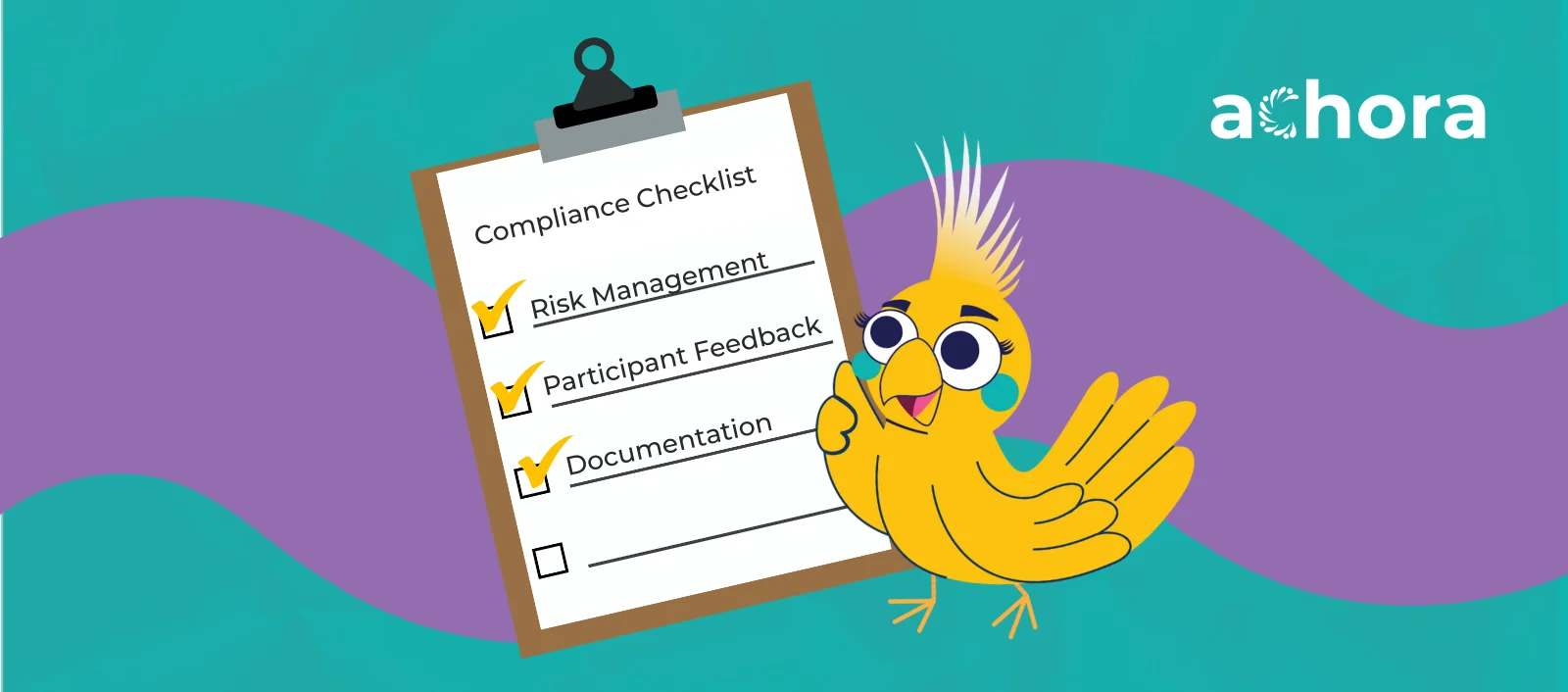
For NDIS providers delivering safe, high quality and ethical support services is a non-negotiable. The NDIS has strict guidelines and compliance standards that must be met by all providers. They…
“Reasonable and Necessary” supports are those the NDIS considers essential for a participant to pursue their goals, be more independent, and take part in daily life. These supports must relate to your disability and be value for money.
Core Supports help you with everyday activities, assistance with daily living, transport, and community participation. These supports are the most flexible and can often be used across different needs.
Capacity Building supports help you develop skills and independence in areas such as education, employment, relationships, and health. Funding in this category is usually goal-specific and less flexible than Core Supports.
Capital Supports provide funding for higher-cost items like assistive technology, equipment, or home modifications. These funds are not flexible and must be used for the specific items listed in your plan.
A Service Agreement is a written contract between you and your provider that outlines what services will be delivered, how much they’ll cost, and how they’ll be provided.
ECEI supports children aged 0–6 with developmental delay or disability. It helps families access timely, targeted early intervention without needing a formal diagnosis.
The NDIS is the scheme that provides funding. The NDIA (National Disability Insurance Agency) is the government body that administers the NDIS.
A Participant Statement is a part of your NDIS plan that describes your goals, background, daily life, and informal supports. It helps planners understand what’s important to you.
Informal Supports are unpaid help from family, friends, and the community. The NDIS considers these when determining how much formal support you might need.
Psychosocial disability is a term used to describe the disability that may arise from mental health conditions. The NDIS can fund supports to help manage and reduce its impact on daily life.
Functional capacity refers to your ability to complete tasks in areas like mobility, communication, self-care, and social interaction. It’s assessed during your application to determine the level of support you need.
Funding flexibility refers to how freely you can move funds within your plan. Core Supports often have the most flexibility, while Capacity Building and Capital supports are more restricted and goal-specific.

Speak to real people with real experience in the NDIS. Get clear, practical advice about your plan.
One quick call is all it takes to feel confident in your next steps.